


The High Cost of Inaccurate Manufacturing
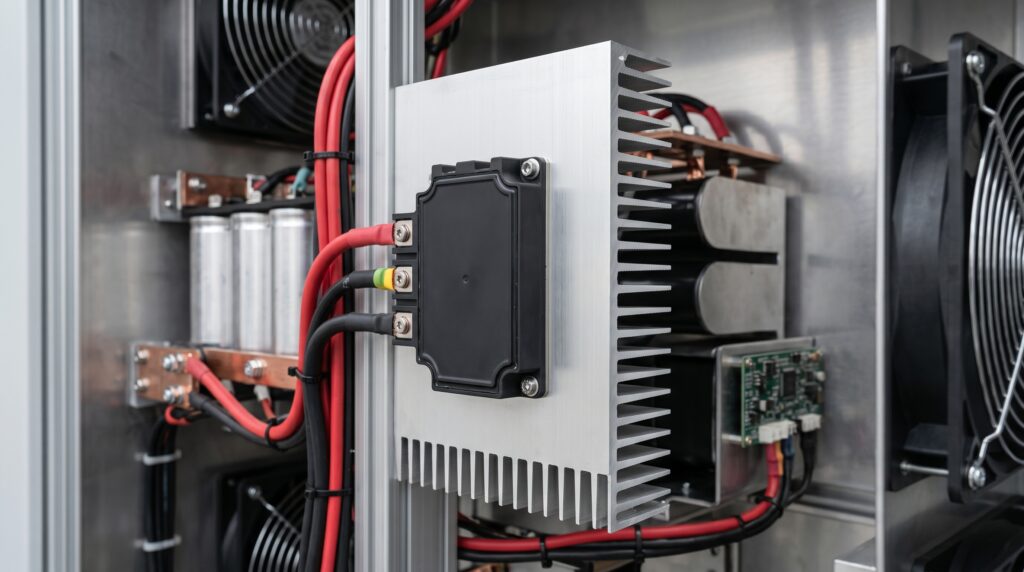
Hardware engineers face devastating assembly failures daily. Inaccurate metal parts destroy automated production lines instantly. You must source precision components to guarantee absolute industrial reliability. Procurement directors must secure flawlessly machined custom aluminum profiles to prevent catastrophic financial losses. Ignoring dimensional tolerances causes massive assembly bottlenecks natively. Poorly machined parts force technicians to modify components manually on the factory floor. This manual rework destroys production schedules completely. Consequently, buyers must partner with a verified manufacturer to ensure perfect mechanical fitment. We operate a massive fabrication facility equipped with advanced milling technology. We transform raw metal into critical hardware components every single day. We understand the extreme accuracy required for global automation success.
Unverified machine shops cost international brands millions in rejected inventory annually. You eliminate these risks by integrating our elite machining services into your supply chain. We utilize high-speed spindles to maximize cutting accuracy across complex geometries. Our engineering team verifies every CAD drawing before initiating the milling process. We guarantee your assemblies align perfectly during final production. Stop risking your engineering reputation on cheap, inaccurate machining brokers. Upgrade your procurement strategy today. Secure industry-leading fabrication quality. Master the physics of precision metalworking with our comprehensive B2B engineering guide below.
Bridging the Gap: Extrusion to Finished Part
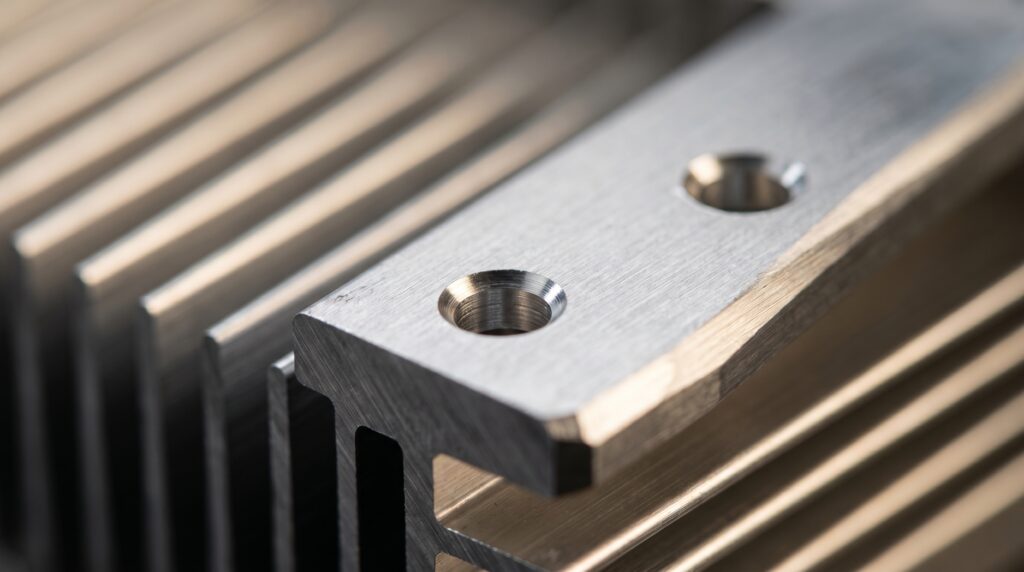
Engineers require perfect three-dimensional components. Extrusion only creates continuous two-dimensional cross-sections. This limitation forces manufacturers to deploy secondary operations. We bridge this manufacturing gap seamlessly. We utilize advanced CNC machines to finalize the metal shape. You achieve exact geometric perfection.
Limitations of Raw Extrusion
Raw extrusion pushes hot aluminum through a steel die. This process creates long, continuous shapes natively. It cannot create cross-holes, blind threads, or complex pockets securely. The metal exits the press lacking functional mounting points. Designers must overcome this physical limitation constantly. We resolve this issue instantly. We cut the long extrusions into specific manageable lengths. We prepare the raw metal for advanced secondary machining. You receive fully functional components ready for immediate assembly.
The Role of Multi-Axis CNC
Multi-axis machines transform these raw blanks completely. The spindle holds sharp cutting tools. The computer directs the tool path perfectly. Standard machines handle flat operations efficiently. Advanced machines rotate the metal continuously. This rotation allows the spindle to access multiple sides simultaneously. We eliminate manual part repositioning entirely. You benefit from much faster production speeds. We reduce setup errors dramatically. The automated process guarantees absolutely identical parts across massive production runs.
Achieving Micron-Level Tolerances
High-performance automation demands microscopic accuracy constantly. We machine parts to strict micron-level tolerances natively. Precision prevents destructive mechanical vibration completely. Loose parts destroy fast-moving robotic arms instantly. We utilize laser tool measurement systems securely. The controller adjusts the cutting path dynamically. We compensate for tool wear immediately. You secure absolute structural rigidity. We deliver perfect alignment for your custom hardware. We protect your costly industrial investments permanently.
Critical CNC Operations for Profiles
Furthermore, transforming raw metal requires several distinct operations perfectly. Consequently, engineers must specify the exact cuts needed on their CAD files. Therefore, we deploy a systematic approach to complete these tasks securely. Moreover, understanding these critical operations improves your overall hardware design.
Precision Cutting to Length
Initially, the factory must cut the long extrusions down to the exact specified length natively. Consequently, we utilize automated precision saws equipped with carbide-tipped blades securely. Furthermore, these saws feature digital length stops to guarantee absolute repeatability across thousands of units. Therefore, your milled extrusion profiles match your dimensional requirements flawlessly. Moreover, we apply advanced coolant systems to prevent the blade from melting the aluminum during the cut. Thus, you receive clean, burr-free edges that require minimal secondary finishing.
Drilling and Thread Tapping
Subsequently, assembling complex machinery requires robust mounting points natively. Therefore, we utilize high-speed CNC drilling to create perfect holes through the aluminum matrix securely. Furthermore, we follow the drilling process with automated rigid thread tapping completely. Consequently, the machine cuts precise internal threads to accept standard metric or imperial bolts securely. Thus, your technicians bolt the components together rapidly without fighting stripped threads. Moreover, proper tapping prevents galvanic corrosion by ensuring a tight, weather-resistant mechanical seal perfectly.
Surface Milling for Flatness
Additionally, raw extruded surfaces sometimes lack the extreme flatness required for specific industrial applications natively. Consequently, we deploy large face-milling cutters to skim the critical surfaces flawlessly. Therefore, we achieve remarkable flatness tolerances securely. Furthermore, this operation proves absolutely vital when manufacturing an aluminum heat sink or a high-pressure aluminum manifold block natively. Moreover, a perfectly flat surface guarantees optimal thermal transfer and prevents fluid leaks completely. Thus, your final assemblies perform flawlessly under extreme conditions.
Comparison Matrix: Aluminum Machining Methods
Procurement directors evaluate manufacturing pathways based on material waste, geometric complexity, and production speed constantly. Notably, analyzing comparative production strategies optimizes long-term manufacturing profitability heavily. The following matrix contrasts core fabrication methods to help you specify the correct production technique for your B2B hardware:
| Manufacturing Method | Material Waste Profile | Geometric Complexity Limits | Overall Production Speed |
| CNC Machining Extrusions | Extremely Low. The extrusion already matches the 2D shape, requiring only minimal milling to finish the part natively. | High. Can accommodate cross-holes, deep threads, and complex pockets securely across multiple axes completely. | Very Fast. Minimizing the amount of metal that must be cut dramatically reduces the total spindle cycle time securely. |
| Machining from Solid Billet | Very High. The machine must cut away massive amounts of solid metal to reveal the final part geometry natively. | Extreme. Allows for absolute freedom in 3D design, as the part is carved from a solid block of aluminum securely. | Slow. Removing massive volumes of metal requires extensive machine time and accelerates cutting tool wear completely. |
| Die Casting | Low. Molten aluminum is poured directly into a mold, creating near-net shapes with very little scrap natively. | Moderate. Cannot easily produce deep, precise internal threads or complex internal undercuts without expensive secondary machining. | Fast (After Setup). However, engineering and manufacturing the complex steel injection mold takes several months completely. |
Quality Assurance in CNC Fabrication
Manufacturing precision parts requires absolute verification natively. We implement rigorous quality control protocols to protect your supply chain securely. You secure parts that meet your exact specifications. We reject any component that fails these strict dimensional tests.
Coordinate Measuring Machines (CMM)
Coordinate Measuring Machines verify geometric dimensions perfectly natively. A highly sensitive ruby-tipped probe touches the machined part securely. The computer records the exact 3D coordinates in space. We compare these physical measurements directly against your original 3D CAD model securely. You receive detailed inspection reports with your shipment. We guarantee absolute compliance with your engineering tolerances.
Go/No-Go Gauge Testing
Threaded holes require strict physical testing natively. We utilize precise Go/No-Go plug gauges for every tapped port securely. The ‘Go’ end of the gauge must screw into the hole smoothly. The ‘No-Go’ end must stop immediately upon insertion. We test every tapped hole manually on the factory floor. You avoid assembly line jams completely. We ensure perfect fastener compatibility.
Deburring and Edge Softening
Milling operations leave sharp microscopic burrs natively. These razor-sharp burrs slice human skin and jam automated machinery securely. We deploy specialized deburring tools to chamfer every sharp edge safely. We utilize massive vibratory tumbling machines for smaller components. You receive safe, smooth parts ready for immediate handling. We elevate the final cosmetic appearance entirely.
Frequently Asked Questions (FAQ)
1. What is the maximum length of an aluminum profile you can CNC machine natively?
We utilize massive industrial equipment securely. Our specialized long-bed machining centers can process custom extrusions up to 6 meters in length natively, making us the perfect partner for massive architectural frameworks and long automation rails completely.
2. Do you have 5-axis CNC machining capabilities in your factory securely?
Absolutely. We execute precise mechanical engineering flawlessly. We operate advanced 5-axis machining centers natively. This allows us to machine complex geometries on five different sides of the extrusion without requiring manual refixturing, drastically improving accuracy completely.
3. Can you provide rapid prototyping services before mass production begins natively?
We deploy rigorous manufacturing protocols strictly natively. Yes securely. Once the custom extrusion die is created, we can CNC machine and ship initial First Article Inspection (FAI) physical samples to your engineering team within 7 to 10 days completely.
4. What surface finishes are available after the CNC machining process securely?
We engineer highly scalable aesthetic solutions flawlessly. We offer comprehensive finishing services natively. After machining and deburring, we can apply clear anodizing, hardcoat anodizing, black oxidation, or custom powder coating to protect the raw cut surfaces completely.
5. Do you supply CNC aluminum parts to international B2B clients globally natively?
Yes. We manage global supply chains flawlessly. We are a major exporter of CNC aluminum parts securely, shipping massive volumes of precision hardware to Europe, North America, and Japan in custom-built, sea-worthy wooden crates completely.
6. Can your factory handle complete OEM aluminum fabrication projects securely?
We execute rapid logistical engineering flawlessly. Yes. We provide comprehensive OEM aluminum fabrication natively. From melting the billet, extruding the profile, CNC machining the details, to final anodizing and packaging, we handle the entire process under one roof completely.
Conclusion
Industrial hardware competition within the lucrative global automation market remains incredibly fierce constantly. Managing your parts supply chain poorly by using unverified machine shops destroys your assembly equity instantly. You must execute your physical fabrication strategy through a highly verified manufacturing partner. We engineer perfect metal systems that guarantee absolute dimensional accuracy and operational dominance. By migrating your purchasing to our dedicated custom factory, you acquire flawless operational reliability. Settle for nothing less than absolute functional excellence brilliant effortlessly. Secure your automation assemblies today. Please request a machining quote immediately to source the world’s most precise custom aluminum profiles securely.