

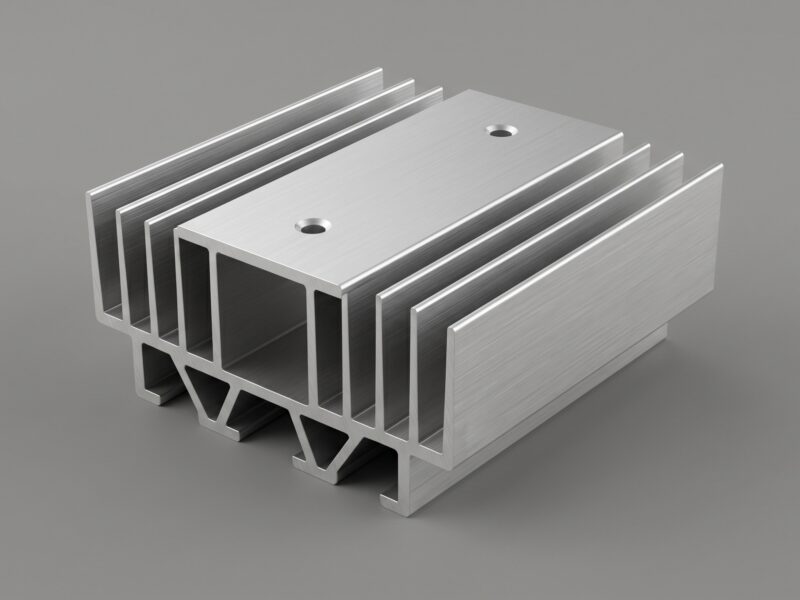
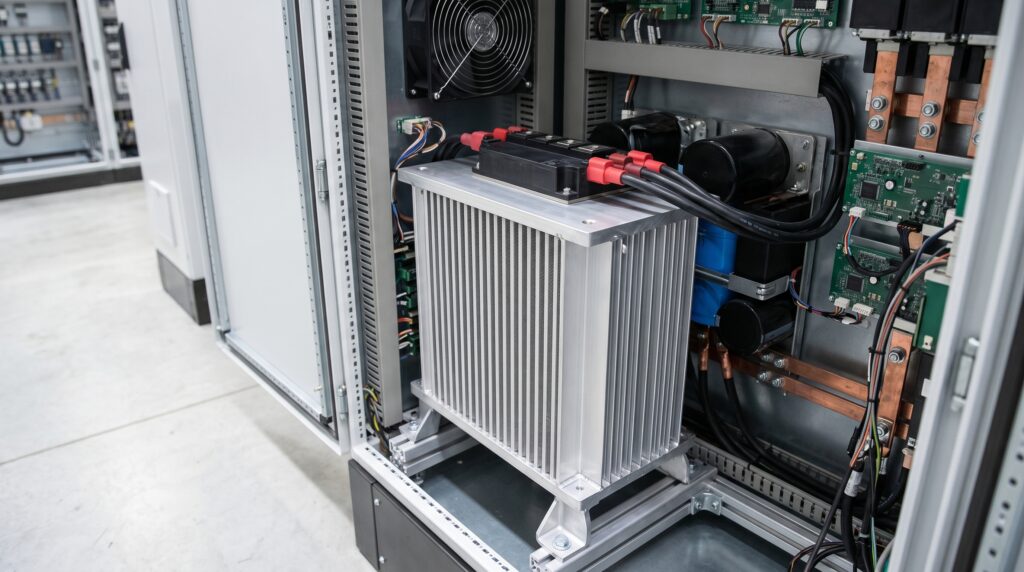
Electrical infrastructure engineers face severe maintenance risks today. Specifying an optimized aluminum terminal connector is the most critical step in preventing high-voltage failures. Standard copper components frequently introduce excessive weight and cost bottlenecks into substation designs. Conversely, high-grade aluminum alloys offer a lightweight alternative that preserves electrical integrity flawlessly. We manufacture these precision components using advanced 2000-ton extrusion presses natively. Our Taizhou-based facility strictly controls the metallurgical purity of every batch produced. Consequently, you receive connectors that survive intense thermal cycling without losing mechanical tension. Thermal runaway remains the primary cause of industrial electrical fires globally. Therefore, procurement teams must verify the manufacturing origin of their lug components rigorously. We eliminate these reliability gaps through vertical integration. You secure absolute power stability for your distribution networks immediately.
Unverified terminal connectors ruin expensive transformers rapidly. You prevent these catastrophic faults by integrating premium electrical aluminum lugs into your system architecture. We utilize 6061 and 6063 alloys to maximize current throughput safely. Furthermore, our engineering team validates every cross-sectional area before mass production. This ensures your high-voltage terminals operate within safe current density limits permanently. Stop wasting your budget on heavy copper legacy hardware. Upgrade your transmission efficiency today. Secure industry-leading B2B components from a trusted Chinese manufacturer flawlessly.
Electrical Conductivity vs. Weight
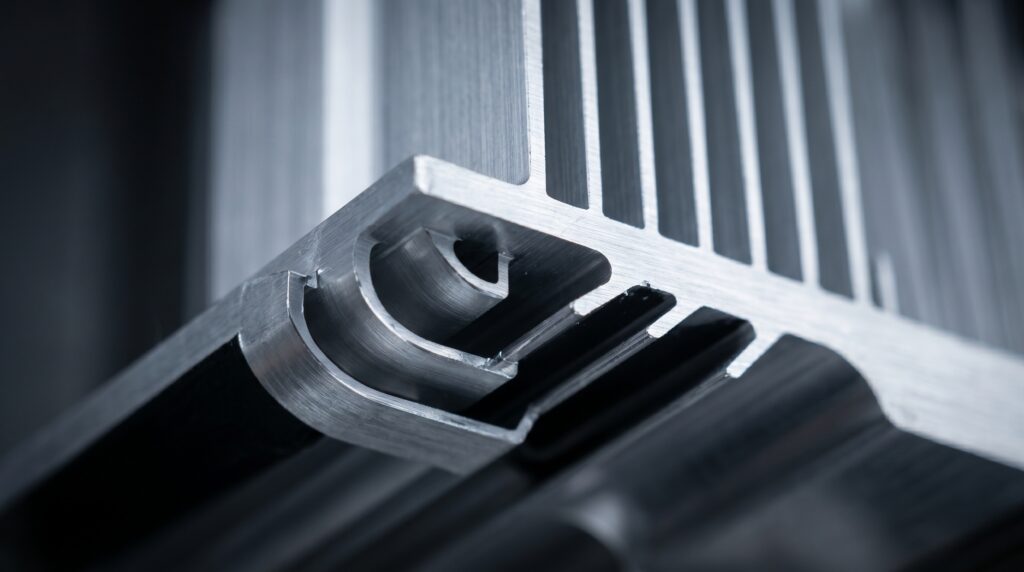
Engineers must evaluate the conductivity-to-mass ratio actively during material selection. While copper represents the historical standard, aluminum delivers superior value in modern substations. We analyze the physical properties of aluminum to optimize load-bearing structures securely. You protect your infrastructure budget by understanding these ratios natively.
The Aluminum-Copper Conductivity Ratio
Electrical conductivity for aluminum reaches approximately sixty percent of the copper IACS standard. Consequently, engineers simply increase the terminal’s surface area to compensate for this difference. Therefore, the total current carrying capacity remains identical to copper alternatives perfectly. We extrude thicker wall profiles to ensure safe electrical flow under maximum load. Furthermore, this increased surface area assists in heat dissipation natively. You prevent localized hot spots within your electrical panels effectively. We machine these oversized profiles to meet your specific metric or AWG requirements flawlessly.
Reducing Substation Load Weight
Heavy components strain mechanical insulators and support brackets severely. Aluminum weighs only thirty percent as much as copper natively. Therefore, utilizing an aluminum terminal connector slashes the dead weight of your overhead busbars. This weight reduction prevents structural sagging in long-span transmission lines. Consequently, you lower the cost of supporting hardware and installation labor simultaneously. We manufacture these lightweight connectors to alleviate the physical stress on your substation grid. Your field technicians install these components faster due to their low mass. Ultimately, you increase the overall factor of safety for the entire power plant.
Managing Current Density
Current density determines the thermal lifespan of an electrical joint. We design every terminal to spread current evenly across the contact pad. High current density causes rapid oxidation and joint failure. Therefore, we utilize our ISO certified factory standards to inspect every profile cross-section. We guarantee that the aluminum cross-section handles surge currents without melting. Furthermore, our designs minimize skin effect losses in high-frequency AC applications. You achieve stable voltage drops across your entire circuit. We eliminate resistive heating issues permanently.
Overcoming the Oxide Layer Challenge
Moreover, aluminum reacts with oxygen instantly to form a non-conductive Al2O3 layer. Consequently, this oxide layer acts as a high-resistance barrier if left untreated. Therefore, engineers must deploy specific chemical and mechanical strategies to ensure a low-resistance bond. We engineer advanced solutions to neutralize this chemical obstacle natively.
Applying Anti-Oxidation Compounds
Bare aluminum requires a Zinc-suspended paste to penetrate the oxide layer securely. Furthermore, this compound prevents moisture and air from reaching the contact surface after installation. Consequently, the electrical joint remains stable for decades without requiring maintenance. We provide specific recommendations for oxide-inhibiting pastes for all our B2B clients. Therefore, you eliminate the risk of rising resistance over time. Moreover, the paste fills the microscopic voids between the cable strands and the lug barrel. Thus, you achieve maximum electrical contact area natively. We guarantee zero corrosion in humid environments.
Bi-metallic Friction Welding
Connecting aluminum lugs to copper busbars triggers galvanic corrosion aggressively. Dissimilar metals create a battery effect that eats away at the connection. Therefore, we utilize bi-metallic friction welding to create a molecular bridge. We fuse a high-purity copper palm to the aluminum barrel under intense kinetic pressure. Consequently, the transition between metals happens inside a sealed, oxygen-free bond. Ultimately, this stops galvanic corrosion entirely. You connect aluminum cables to copper equipment with absolute confidence. We deliver these bi-metallic solutions for high-voltage utility applications globally.
Preventing Thermal Runaway
High resistance creates heat, which creates more oxidation in a deadly cycle. This cycle is known as thermal runaway. Ultimately, the connector melts and disconnects the power feed. Furthermore, utilizing high-precision CNC aluminum electrical parts prevents these faults by ensuring micron-level flatness on the contact pad. Therefore, the bolt pressure is distributed perfectly across the entire surface. Consequently, resistance stays low even during peak load periods. We protect your power grid from fire hazards through superior machining. You secure reliable power distribution flawlessly.
Comparison Matrix: Connector Performance
Procurement directors must compare total lifecycle costs when sourcing electrical hardware. Notably, analyzing material benefits optimizes long-term grid reliability heavily. The following table contrasts core connector technologies for B2B industrial use:
| Connector Type | Cost per Amp | Weight (kg/m) | Tooling/Installation |
| Pure Aluminum Lugs | Lowest | 0.45 | Hydraulic Crimp + Paste |
| Tinned Copper Lugs | Highest | 1.25 | Standard Crimp |
| Bi-Metallic Connectors | Moderate | 0.75 | Hydraulic Crimp |
CNC Machining for Exact Cable Fit
Raw extrusion provides the structural shape, but only CNC machining provides the required tolerances. We transform raw industrial aluminum profile stocks into precision terminals using multi-axis milling centers. You secure a perfect mechanical fit for every cable gauge. We eliminate air gaps within the crimp barrel permanently.
Multi-Axis Milling Precision
Our CNC centers machine the bolt holes and pad surfaces simultaneously. Furthermore, we maintain a flatness tolerance of less than 0.05mm across the contact area. Consequently, your busbar bolts apply even pressure to every square millimeter of the joint. Therefore, you achieve the lowest possible contact resistance natively. Moreover, this precision allows for high-torque bolting without cracking the aluminum. We use 4-axis and 5-axis machines to handle complex terminal geometries. You receive consistent parts across high-volume production runs.
Chamfering Wire Insertions
Sharp edges at the barrel entrance cut delicate wire strands during installation. Severed strands reduce the total ampacity of the cable immediately. Therefore, we machine a smooth internal chamfer at the wire entry point. Consequently, your technicians slide large cables into the lug without snagging. This feature speeds up field assembly times drastically. Moreover, it prevents mechanical stress concentrations at the crimp point. We prioritize installer ergonomics and system safety in every design.
Torque Specifications for Bolts
Aluminum requires specific torque loads to maintain constant contact pressure. Furthermore, we machine the pad thickness to withstand the compression of Belleville washers perfectly. These washers compensate for the thermal expansion of the aluminum natively. Consequently, the bolt tension remains constant during cold winter nights and hot summer days. Therefore, you prevent loose connections that cause micro-arcing. We provide detailed torque charts for every connector size we ship. You ensure safe long-term operation for your electrical switchgear.
Frequently Asked Questions (FAQ)
1. Can you manufacture terminal connectors for custom wire gauges (AWG/mm2)?
Yes. We engineer scalable solutions flawlessly. Our CNC machines can drill the internal barrel diameter to any specific cable size you require. This ensures a tight fit and optimal crimp compression for proprietary industrial cables.
2. What are the maximum voltage ratings for your aluminum terminal connectors?
We execute precise mechanical engineering flawlessly. Our connectors are utilized in systems ranging from 600V industrial panels to 500kV high-voltage transmission grids. The rating depends on the spacing and insulation you provide in your system design.
3. Why is oxide-inhibiting paste mandatory for aluminum electrical connections?
Aluminum forms an insulating layer instantly when exposed to air. Zinc-based paste pierces this layer during the crimping process to establish a metal-to-metal bond. It also seals the joint against future moisture ingress and oxidation completely.
4. Does your factory support high-volume OEM production runs?
Absolutely. We utilize massive 2000-ton extrusion presses and automated CNC centers to handle bulk wholesale orders. We maintain a high factory capacity to fulfill global utility contracts on strict schedules.
5. Can I order custom connector solutions for non-standard busbar patterns?
Yes. We execute rapid prototyping. If your busbar has non-NEMA spacing or requires 45-degree angles, we can machine a custom connector solution to solve your routing challenges perfectly.
6. Are these connectors suitable for coastal environments with high salt spray?
Yes. We recommend tinned aluminum or hard-anodized coatings for corrosive environments. These surface treatments provide an extra layer of chemical protection against salt-induced pitting and oxidation.
Conclusion
Power grid reliability depends on the integrity of every single connection point. Managing your procurement supply chain poorly by using unverified lug brokers destroys your infrastructure longevity instantly. You must execute your transmission strategy through a highly verified manufacturing partner. We engineer perfect electrical systems that guarantee absolute current stability and retail dominance. By migrating your purchasing to our dedicated facility, you acquire flawless operational reliability. Settle for nothing less than absolute functional excellence brilliant effortlessly. Secure your grid today. Please contact sales immediately to revolutionize your engineering procurement and source the world’s most reliable aluminum terminal connector securely.